
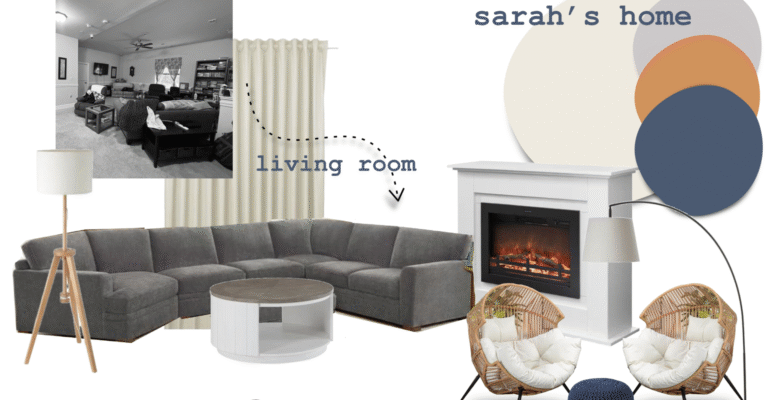
Bringing Trauma-Informed Design to Life at Sarah’s Home!
There’s something significant happening at Sarah’s Home… and it’s more than a makeover. We are transforming our entire house with trauma-informed design—a thoughtful, research-backed approach to creating spaces that feel safe, comforting, predictable, and healing for survivors of trauma.
This isn’t just about decorating. It’s about transforming an environment so that every room says: “You’re safe here. You are valued. You belong.”
What Is Trauma-Informed Design?
Trauma-informed design is the intentional creation of physical spaces that support emotional regulation, reduce anxiety, and enhance a sense of safety and control—particularly important for youth who have survived trauma, exploitation, and trafficking. While survivors’ experiences and needs vary, these principles support many common trauma responses.
Girls who have experienced trafficking often carry deep physiological responses to threat: hypervigilance, startle responses, difficulty trusting, and a constant need to monitor their surroundings. These are not at all flaws but adaptive survival responses. The environment plays a huge role in helping their bodies begin to relax.
Here’s how trauma-informed design helps:
- Safety & Predictability
For survivors of sex trafficking, safety is a physiological need. Many girls have lived in environments where danger could appear without warning.
Because of this, room layouts matter.
No chairs with backs to the door
We place seating so the girls can always see the entrance to a room. Why? When someone with trauma can see who’s coming in, their nervous system doesn’t have to stay on high alert. It reduces the instinctive fear response and allows them to engage, rest, or simply breathe without constantly scanning for threats.
This simple choice helps create an environment where their bodies can begin to feel safe — sometimes for the first time in years.
Clear, clutter-free paths
Predictability in the physical layout lowers anxiety and gives the sense that there are no hidden surprises.
- Sensory Regulation
Survivors often live in a heightened state of alertness. Trauma-informed design buffers that by including:
- Weighted blankets
- Calming textures
- Gentle lamp lighting
- Noise-dampening elements
These features help regulate the nervous system and build internal stability. Different survivors will find different elements helpful, which is why offering variety matters.
- Choice & Personal Control
Trafficking strips away autonomy. Decisions were often made for the girls, often by using coercion. So, making choices can feel hard or overwhelming for survivors. Reintroducing small, safe choices is crucial for restoring a sense of agency.
This is why we incorporate:
Chairs in different colors, textures, and styles
You’ll see a variety of seating options — not for decoration, but for healing. Choosing a chair may seem small, but for a trauma survivor, it’s meaningful. Each choice reinforces:
- “I get to choose.”
- “I get to decide my preferences.”
- “I can make my own choices and not be punished for them”
These micro-decisions build the foundation for larger, more confident decision-making later in life.
Options for room décor and personal spaces
We give girls safe choices like choosing their mugs, chairs, sensory items, and organization. Learning “I can choose something for myself and that choice will be respected” is profoundly restorative.
- Connection + Privacy
Trauma-informed design balances spaces for healthy relationship building and spaces for quiet reflection. Both are essential for healing from exploitation.
- Beauty That Heals
A space that is clean, calm, soft, and thoughtfully designed communicates dignity — something survivors deeply need to regain.
We want to do this thoughtfully, beautifully, and with excellence—and that’s where YOU come in.
How You Can Help
We’re committed to doing this work with excellence and intentionality—and we need partners who share this vision.
Option 1: On Giving Tuesday December 2nd – Your Gift Doubles
A few generous donors are offering a dollar-for-dollar match up to $12,500—but only on Giving Tuesday.
- $50 becomes $100
- $200 becomes $400
- $1,000 becomes $2,000
This match will go directly toward trauma-informed furnishings, lighting, décor, and sensory items that create a deeply healing environment.
Give on our website or by check on Tuesday, December 2nd and your gift will automatically be doubled!
Option 2: Sponsor a Room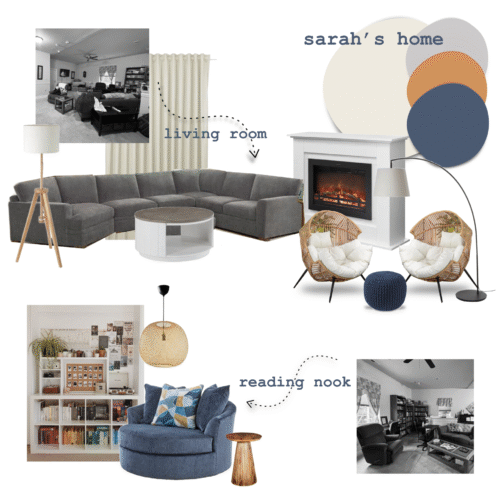
Each space serves a specific purpose in the healing journey. The photo on the right is the mood board that gives a sneak peek at some areas before and after the updates:
📚 The Book Nook – A quiet refuge for reflection and rest
🎨 The Art & Craft Room – Where creativity becomes a tool for processing and expression
💪 The Gym / Fitness Area – A space to reconnect with their bodies in healthy, empowering ways
🍽️ The Dining Room – Where community is built around shared meals
🎥 The TV Room – A place for normalcy, downtime, and simply being a teenager
🛋️ The Upstairs Living Room – A comfortable gathering space for connection
🛏️ The Girls’ Rooms (5 total) – Personal sanctuaries designed for safety and rest
Every room sponsorship directly funds the trauma-informed elements that make healing possible.
To sponsor a room or get more details on what this looks like- email us at: [email protected]
Option 3-Give Specific Items from our Amazon Wishlist
Visit our Amazon Wishlist to see exactly what we need—weighted blankets, lighting, seating, sensory items, and more. Every item brings us closer to a fully trauma-informed home.
Thank You for Helping Build a Home That Creates Space for Healing
This project is more than a renovation—it’s a promise to the girls who will walk through our doors: “We prepared this space with you in mind. Your healing matters.” Whether you sponsor a room, choose an item from our wishlist, or give on Giving Tuesday, you’re helping us create an environment where recovery becomes possible.